Book catalog
Interfaces for adding, editing, viewing, and deleting books and genres.
04CATALOG & LENDING OPERATIONS
An administrative application for books, memberships, borrowing, returns, and library reporting.
01 / OVERVIEW
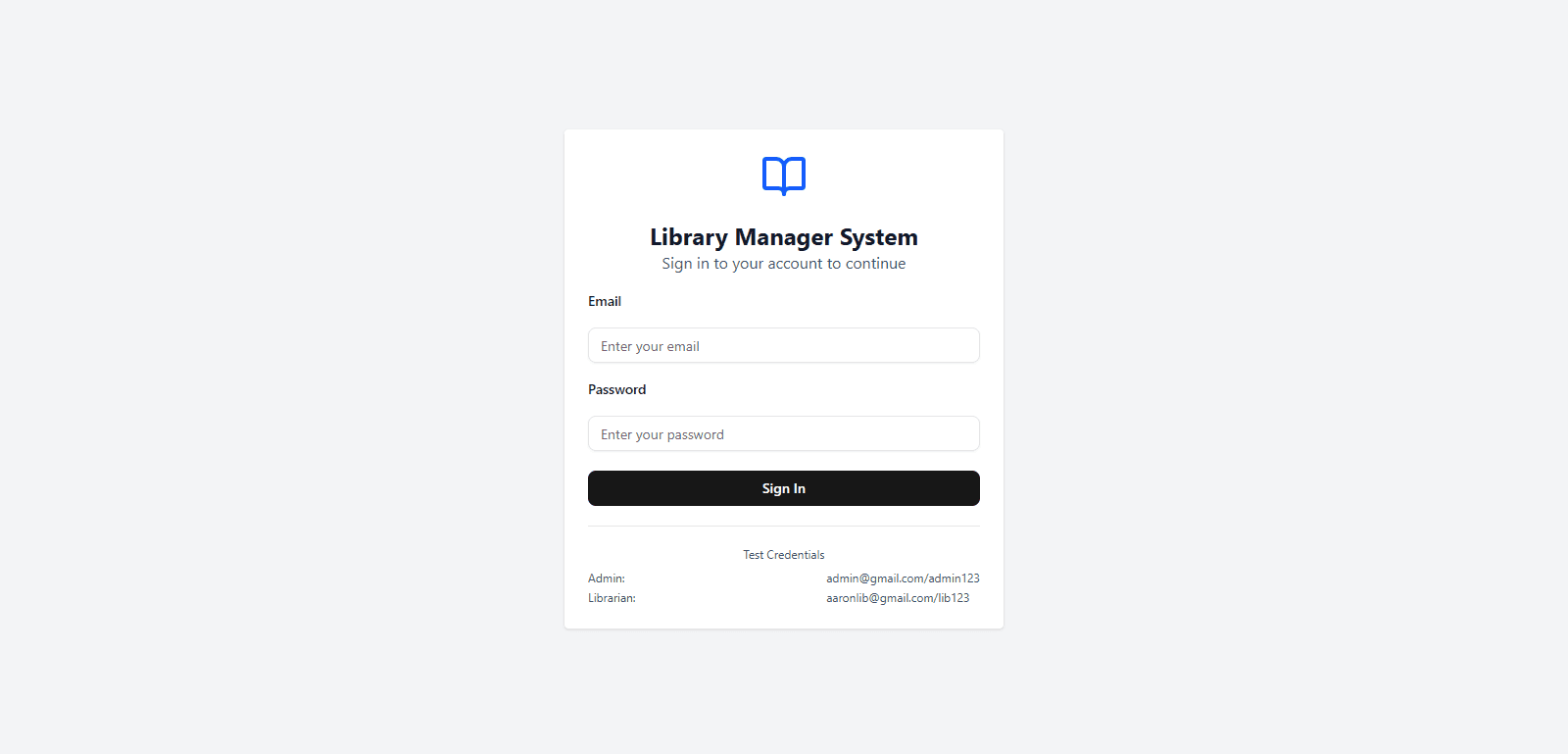
A library operations application with a Next.js frontend. The public frontend source contains catalog, member, staff, borrow/return, genre, and reporting areas. The existing portfolio identifies NestJS and PostgreSQL as its backend stack.
Full-stack development, bringing the interface, business workflow, and data layer together.
02 / THE BUSINESS REQUIREMENT
Library administration combines catalog information with people and time-sensitive lending activity. Staff need a clear way to manage the records and follow a book through borrowing and return.
03 / THE APPLICATION
Interfaces for adding, editing, viewing, and deleting books and genres.
Member administration and a dedicated member-history view.
Purpose-built borrowing and return dialogs, organized in a circulation area.
Staff, profile, dashboard, reporting, and permission-aware navigation components.
04 / TECHNICAL ARCHITECTURE
Catalog, circulation, membership, and reporting interfaces.
Backend stack stated in the original portfolio; frontend API integration exists in the public source.
Relational storage stated in the original portfolio.
05 / ENGINEERING DECISIONS
Borrowing and returning are distinct actions with dedicated dialogs, rather than generic edits to a book record.
Book, member, genre, and staff operations use reusable interface patterns and a shared layout.
06 / THE TECHNICAL CHALLENGE
Staff work across books, memberships, and lending records. Each task needs a clear entry point without losing the wider context.
The frontend separates these domains into dedicated routes while retaining a shared navigation and layout. Member history and borrow/return views bring related activity into context.
07 / THE RESULT
A dedicated frontend brings catalog, membership, circulation, and reporting tasks into a consistent administrative interface, with reusable forms and shared navigation.
Frontend structure and Next.js/Tailwind dependencies checked against library-manager-frontend. NestJS/PostgreSQL are retained as owner-reported stack details. Screenshot from the original portfolio.